The Medicine of Tapping in Trauma informed Psychotherapy

Can tapping be a vital lifelong tool for Anxiety, Trauma, and Nervous System Regulation?
Many of my clients arrive in therapy experiencing high levels of anxiety and overwhelm, either because of a recent upsetting event in their lives or because they have been functioning in this state for a very long time and the usual talk therapies alone haven’t worked. They are wanting to address lifelong negative beliefs and old patterns that no longer serve the whole of they are any more.

We know how hard it is to “think” our way into change and out of anxiety. Even when we understand the patterns cognitively, can name the triggers and complexes, and yet our bodies remain hyper-aroused heart racing, breath shallow, thoughts looping.
Alarmingly, a high number of people will go to their general practitioner and get prescribed Medication for their anxiety. I am not saying there is no place for medication; however, what I am seeing more and more is a trend of Affect -phobic remedies.,Simply put. Not addressing the underlying big emotions from early on. These get compartmentalised, and is a good initial strategy and a helpful one so we can function in life however we know it’s like the tip of the ice burg: the anxiety is the tip, and below are all the emptions that were not addressed.
Of course this is scary.Its terrifying when we don’t know why we feel the way we feel.
The Role of Therapy and Somatic Integration
Good therapy helps to unpack these big emotions ,and tapping helps to create a manageable place to integrate them all safely. They are no longer the scary thing hiding in the cupboard or under the bed. We have worked to get to know them and out them in their right full place.
This is not about fixing what is broken but having relationship with all of who we are.
This is where somatic interventions become clinically vital.
As trauma research has consistently shown, including the foundational work outlined in The Body Keeps the Score by Bessel van der Kolk, stress and trauma are held somatically within the nervous system. While insight and relational safety are essential, verbal processing alone is often insufficient to resolve physiological threat responses to and new old trauma experiences held in the body.
Tapping in My Psychotherapy Practice
In my psychotherapy practice, I integrate Tapping as a trauma-informed, body-based tool to support anxiety regulation, emotional processing, and nervous system stabilisation particularly with young adults and adults.
Why I Use Tapping in Trauma-Informed Work
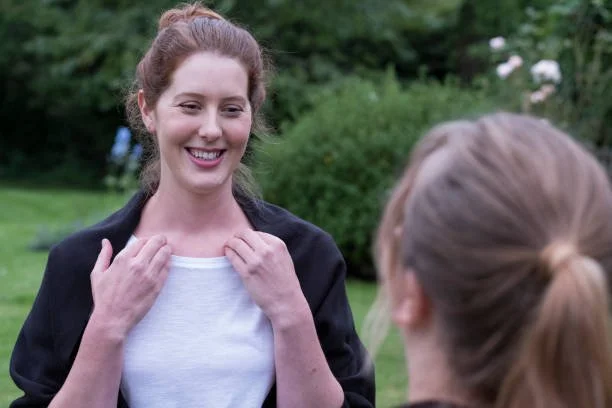
After working with Tapping for years ,my biggest noticing is the Agency It offers the clients. They can use this simple tool whenever and wherever. You can’t get it wrong.
Rather than relying solely on co-regulation within the therapy room, tapping equips clients with a self-directed regulatory tool they can access:
during moments of acute anxiety
when intrusive or looping thoughts arise
outside of sessions, in daily life
From a trauma-informed lens, this matters. Many clients have histories where control, choice, and safety were compromised. Tapping restores a sense of internal authority, and they become their own therapists. The process supports clients to regulate their nervous systems without bypassing or suppressing emotional experience.
Importantly, tapping does not aim to “remove” distress. Instead, it helps the body tolerate, process, and integrate emotional material that was once overwhelming. Bear the unbearable.
It’s important to add here that whilst Tapping is used regularly for trauma it’s also profoundly useful for everyday stressors and distressing thoughts and beliefs.
Example
Year 12 student who is anxious about exams coming up.
What’s the Negative or limiting belief that’s getting in the way?
Student: I can’t focus under stress. I will blank out in the exam - Rates their Level of distress at a 10
Tapping:
Even though I afraid of losing focus in the exam I deeply and completely accept myself- after tapping rates their Level of distress at a 2
We have acknowledged the distress and agreed that its real. We haven’t minimized or given impossible solutions like: “You just must study more”, or “you will be alright it’s just nerves”.
We have used the student’s own statement and incorporated the complementary one: I accept myself even with this feeling. We tap it through the body on particular points, and the result is often Calm and Space which then offers room to think and function better. They are Back in the window of tolerance ‘Pat Ogden and steven Porges
Thought Field Matrix Meridian – Tapping
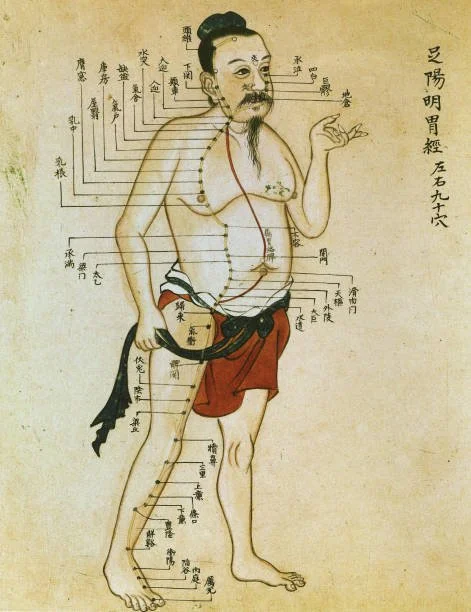
While many practitioners are familiar with EFT (Emotional Freedom Technique), my work is grounded in Thought Field Meridian Therapy (TFMT), developed by Roger Callahan.
TFMT was originally developed in work with Vietnam veterans experiencing severe PTSD.
Calhan’s research into the efficacy of the results was done with functional MRIs. he was seeing significant reduction in symptoms on an emotional level. followed by studies that showed significant reduction in the participant’s initial impairment in the brain caused from the PTSD.
Within a TFMT-informed framework we work with:
the client’s specific cognitions
somatic sensations and physiological cues
underlying beliefs and meaning-making processes
Rather than applying a generalised protocol, I work collaboratively. The client names their own experience, track internal shift’s, and experiences change as emerging and is often experienced by the client as a sense of calm. Peace and feeling more grounded. This then allows them to have more internal choice as to how they respond to themselves and to the world around them. They have freer will and a are not at the mercy of the Complex.
From A Neurobiological Perspective
Tapping can be understood as a form of somatic bilateral stimulation, similar in principle to acupuncture (without needles).
By stimulating specific meridian points while maintaining mindful attention on a distressing thought, memory, or sensation, tapping sends a down-regulating signal to the brain’s alarm system particularly the amygdala.
As a therapist I will often tap alongside my client’s. By doing this I am modelling how to use the technique as well as supporting them to feel held ,validated and attuned to as we work through their statement. This offers a lived experience of how this works so they and can then utilise the tapping in between the sessions.
Clinically, this often results in:
reduced autonomic arousal
increased affect tolerance
decreased cognitive looping
greater separation between stimulus and response
Rather than escalating into fight-or-flight or dissociation, the nervous system is supported to remain present while the distress is metabolised.
Most importantly the emotion is not avoided it is integrated.
To Summarize
From a trauma-informed perspective, much of what presents as anxiety or depression can be understood as unexpressed, unprocessed emotional experience.
Many clients learned early that certain feelings were unsafe, unacceptable, or overwhelming. Suppression and denial became adaptive strategies allowing survival and functioning at the time.
However, these strategies have limits.
When emotional material remains unresolved, it often returns somatically: panic, hypervigilance, intrusive thoughts, or chronic tension. Tapping provides a structured, embodied way to acknowledge these experiences without re-traumatisation.
It validates the client’s internal reality while supporting the body to complete responses that were previously interrupted.
I find it particularly effective with young people and school-aged clients due to its accessibility and simplicity. Once learned, it becomes a lifelong self-regulation resource, aligning strongly with trauma-informed principles of empowerment and choice.

This is the medicine.